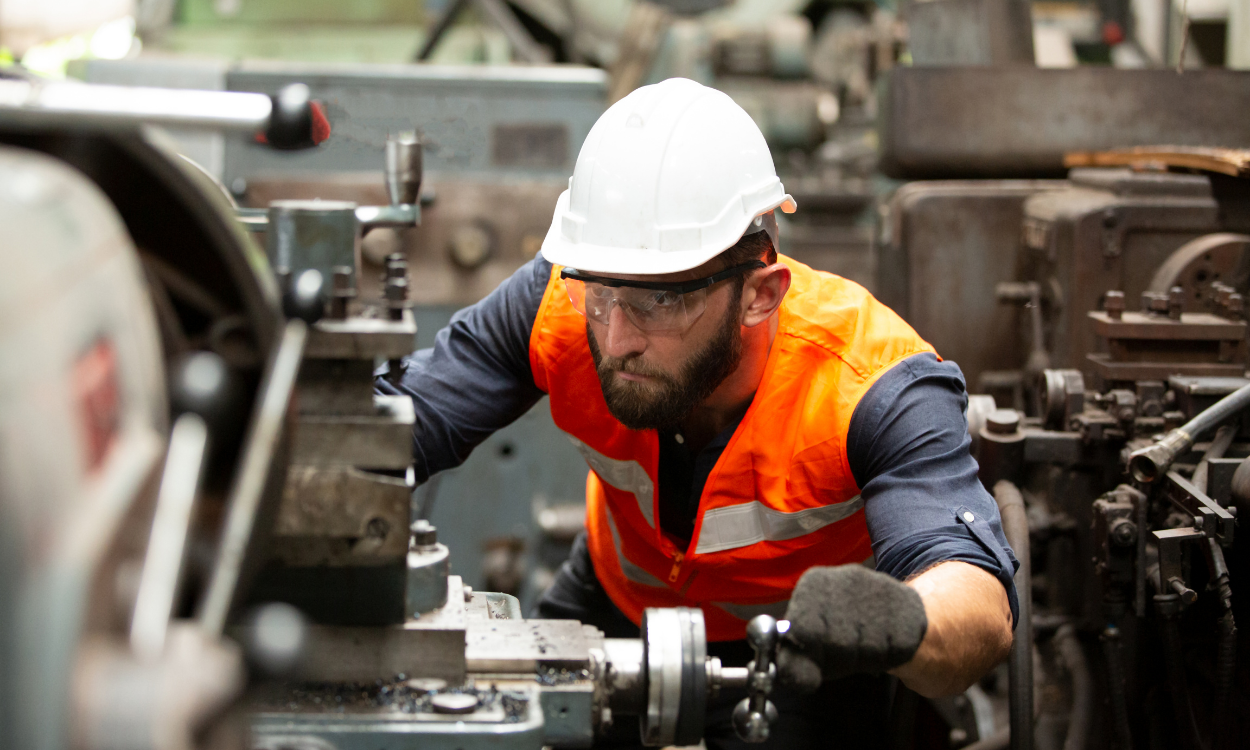
Five challenges every UK manufacturer is talking about right now
Spend enough time speaking with manufacturers and you start to notice something interesting.


%20(1).webp)


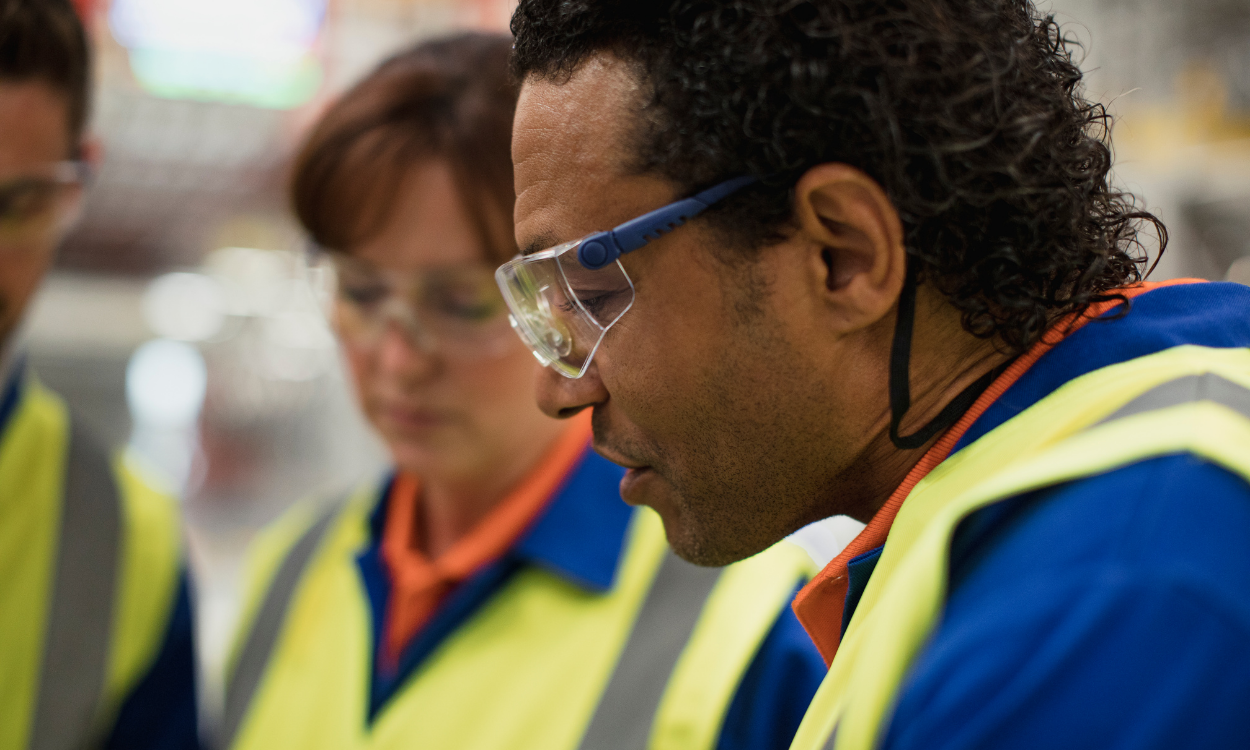
One of the biggest misconceptions about manufacturing technology projects is that they begin when equipment arrives on site.
In reality, the most important stage of any deployment happens long before the first sensor is installed, the first PLC is connected or the first dashboard is configured. It begins by understanding how the factory actually works.
Every production line has its own rhythm. Every shift develops its own routines. Every factory has processes that exist on paper and processes that exist only because experienced operators have quietly adapted over time to keep production moving. If those realities aren't understood before implementation begins, even the most sophisticated technology will struggle to deliver its full value.
One lesson becomes remarkably consistent across manufacturing projects. The people operating the equipment every day often have the clearest understanding of where productivity is being lost.
They know which machine requires constant attention despite passing maintenance inspections. They know which changeover always takes longer than planned. They know which recurring fault everyone has simply learned to work around because "that's how it's always been."
Much of this operational knowledge never appears in production reports. It isn't captured in maintenance records or reflected in OEE dashboards. Instead, it exists through years of practical experience gained on the factory floor.
Ignoring that knowledge doesn't simply increase project risk. It means missing one of the most valuable sources of operational insight available.
It's easy to become focused on technical specifications during implementation. How many sensors are required? Which machines will be connected? What information needs to be captured? These are all important questions, but they're rarely the questions that determine whether a deployment succeeds.
Successful projects begin by asking different questions.
When technology is designed around these operational challenges rather than technical requirements alone, adoption becomes significantly easier because people can immediately see how the solution improves the way they work.
One of the strongest indicators of a successful deployment isn't the technology itself. It's how quickly people begin trusting it.
Trust isn't built through demonstrations or training sessions alone. It develops when operators recognise that the solution reflects the reality of their working environment because they helped shape it from the beginning.
When people feel heard, they're far more willing to embrace change. They see the system as something built with them rather than something imposed on them. That shift in mindset often determines whether technology becomes embedded into daily operations or gradually fades into the background as teams return to familiar workarounds.
Looking back across dozens of manufacturing implementations, the projects that consistently deliver the strongest outcomes all share one characteristic.
They begin with curiosity.
Curiosity about how production really flows through the factory. Curiosity about why certain problems continue to return. Curiosity about what operators would change if they had the opportunity.
Only once those conversations have taken place does the technology begin to matter.
Because successful manufacturing projects aren't defined by how many sensors were installed or how many machines were connected. They're defined by how well the technology reflects the people, processes and operational realities it was built to support.
In the end, the most valuable information in any factory isn't always generated by a machine.
Sometimes it's found in the conversation that happens before the first sensor is ever installed.